Chemical Peels in Mississauga: Risks, Prep & Who Should Skip Them
If you’ve been researching ways to boost skin clarity and radiance, you’ve likely come across chemical peels as a recommended option. At TS Medical Aesthetics, we see a steady interest in chemical peels from Mississauga clients, especially those seeking to improve texture, target spots, or achieve a refreshed appearance without extensive downtime. Despite their popularity, chemical peels aren’t suitable for everyone, and the key to safe, effective results lies in knowing what’s truly involved before beginning.
Relying solely on social media reviews or friends’ experiences can leave you with a partial or even misleading sense of what peels entail. In this blog, we break down how to prepare, who the best candidates are, what risks exist, and how a thoughtfully managed plan determines your outcome—so you can decide if a chemical peel is the right next step for your skin.
What you’ll find below:
- Chemical peels: how they work and why they’re popular in Mississauga
- Who is (and isn’t) a good candidate for peels
- Preparation and aftercare essentials
- Understanding risks and realistic results
- Frequently Asked Questions
What Chemical Peels Really Do
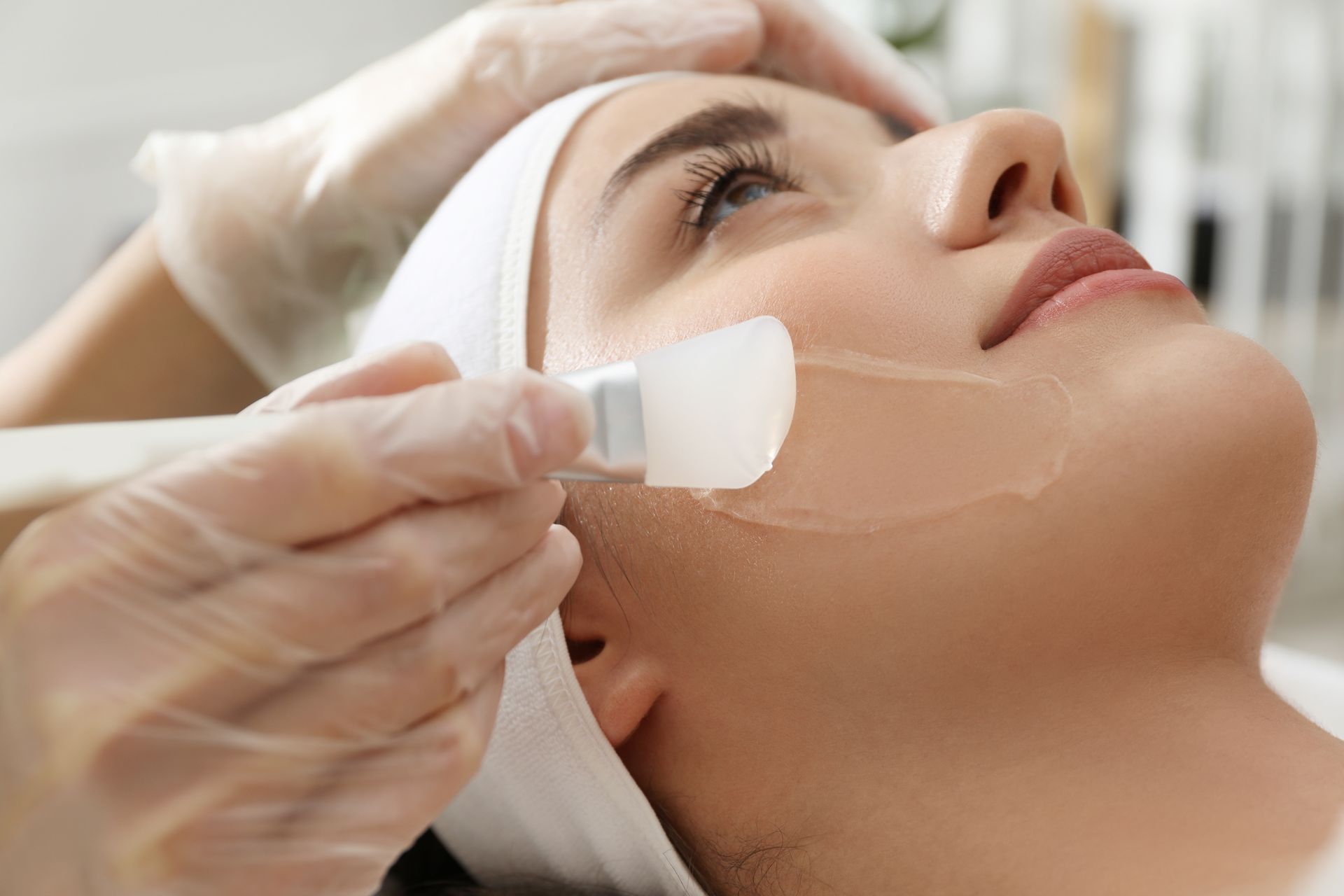
Chemical peels use controlled acids—ranging from gentle AHAs to deeper-acting blends—to exfoliate and renew the skin. At TS Medical Aesthetics, every peel starts with a thorough skin assessment. Options include superficial peels for minor texture or brightness boosts, and physician-supervised medium-depth peels for more significant pigment problems or scarring. In Mississauga, chemical peels are especially popular in seasons with less sun exposure, since UV rays after a peel can trigger irritation or uneven tone.
Who Should and Shouldn’t Get a Chemical Peel?
Peels aren’t for everyone. The ideal candidate has realistic goals, is not prone to abnormal scarring or keloids, and isn’t experiencing active infection, rashes, rosacea flares, or open wounds on the treatment area. Pregnant or breastfeeding individuals, and those with recent use of certain medications like isotretinoin, should avoid chemical peels. Skin tone matters as well—darker skin types can benefit from peels, but formulas must be chosen carefully to avoid post-inflammatory pigmentation. This is why an in-depth consultation at a local clinic is essential.
How to Prepare and What Aftercare Is Needed
Preparation starts days or weeks ahead of your appointment. At TS Medical Aesthetics, we recommend:
● Disclose Skin History: Share any history of cold sores or recurrent rashes, as antiviral prophylaxis may be suggested.
● Avoid Retinoids and Exfoliants: Discontinue use of retinol or strong acid products as directed (often 3-7 days pre-peel).
● Protect from Sun: Use SPF consistently in the lead-up, as tanned or sunburnt skin increases post-peel risk.
● Confirm Medication Safety: Discuss any oral or topical medications you use.
After the peel, skin care stays simple and protective:
● Gentle Cleansing: Use fragrance-free, mild cleansers.
● Moisturize Often: Keep skin barrier strong and comfortable.
● Sun Avoidance: Absolutely essential—new skin is UV-sensitive.
● Don’t Pick or Peel: Wait for flaking to resolve naturally for best results.
Risks and What Results to Expect
When performed in a physician-supervised clinic, chemical peels are very safe. Typical side effects include redness, flaking, or slight swelling, which fade in days. Rarely, more intense reactions can happen—such as pigment shifts, infection, or scarring—making professional assessment and aftercare vital. Real results are often gradual, with repeated sessions delivering optimal improvement for stubborn concerns.
Frequently Asked Questions
How much downtime should I expect?
Most superficial peels involve minimal recovery (a few days of dryness or mild redness), while medium-depth peels may lead to 3–5 days of visible peeling.
Can I combine peels with other treatments?
Yes, but your provider will recommend the safest timing for peels if you’ve recently had treatments like microneedling, lasers, or injectables. Always disclose recent skin services.
Setting Yourself Up for Success
Deciding to try a chemical peel in Mississauga is about more than picking the strongest formula or chasing quick fixes. Honest, safe results depend on guidance from skilled providers who understand your unique skin and personalize every step. If you’re ready to explore professional-grade skin renewal, start with a consultation that covers your history and sets realistic plans for your next steps.
Share This Blog